How to tell real shilajit from fake
Start with the product you are actually buying. Look for a named source, a clear account of how the material was prepared, and a lab report tied to its batch. Together, those give you something concrete to check before choosing a jar.
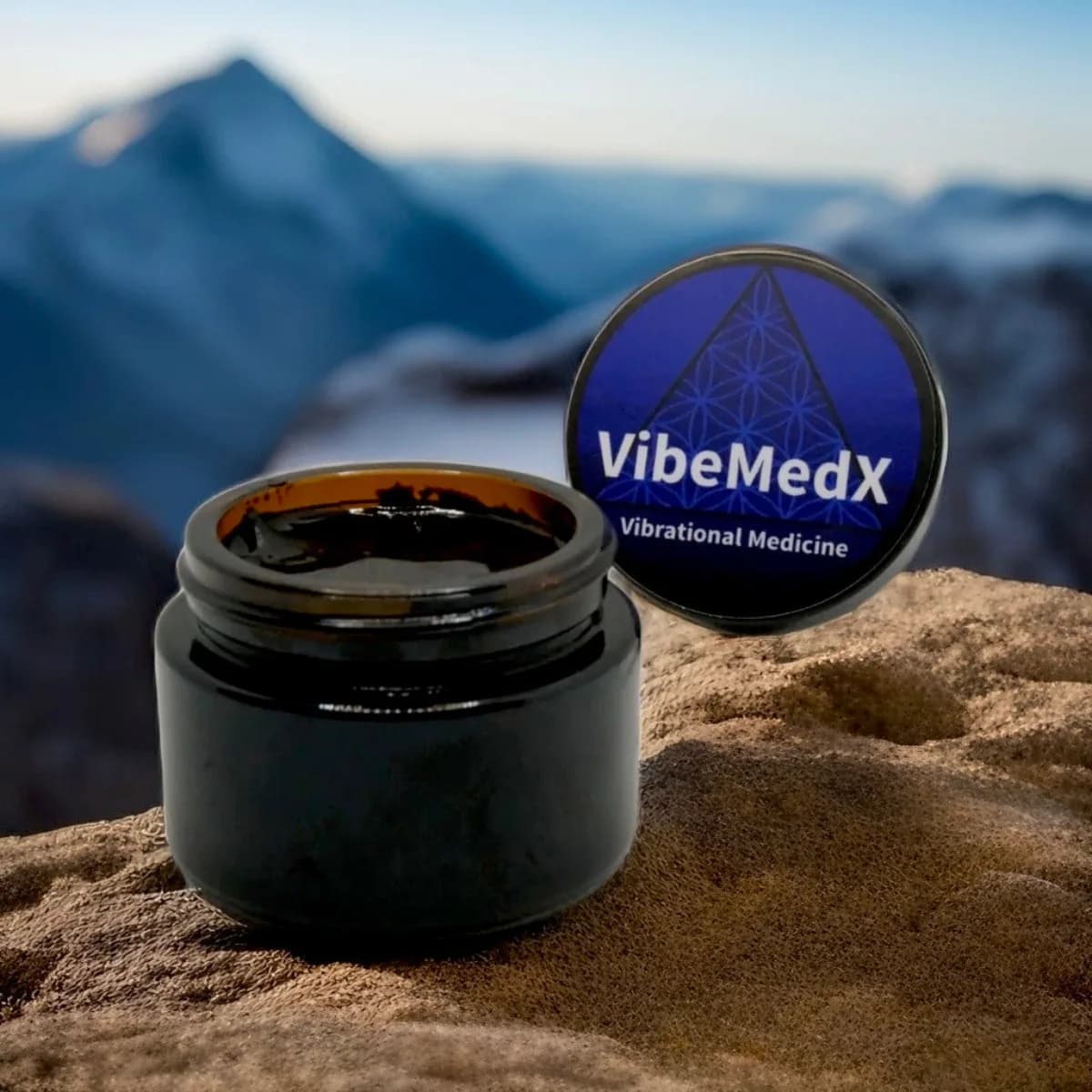
Ron chose VibeMedX’s Altai source because he knew the people and their process. Our relationships with the harvesting families are part of that story. Testing adds another part you can examine for yourself.
Ask this before you order
“Which batch would you ship me, and can I see the report for it?”
Check the product name and lot number on the answer you receive. A resin report applies to the resin batch it identifies. For tablets, powder or a different lot, ask for the corresponding documents. If you already have a jar, send the seller its product name and any lot number shown on the packaging.
See a real batch example
VibeMedX’s published resin report identifies lot 10.00100, tested October 1, 2026, from Kosh-Agach district in Russia’s Altai Republic. Its authenticity result reads “Authentic.”
Read the other results too. Authenticity and contaminant testing answer different questions. This batch measured 0.37 mg/kg of lead, against the report’s stated limit of 6 mg/kg. The full report includes the other metals, microbiology and composition results, with a downloadable PDF you can inspect.
Our guide to reading a shilajit lab report explains what those entries mean.
Explore the 50g Altai shilajit resin, or ask us about a product or lot.