
* SCALAR CONDITIONED* SCALAR CONDITIONED
LEARN / LAB REPORTS

How to read a shilajit lab report

A certificate of analysis, or COA, is the closest thing a jar has to a receipt. Five checks tell you whether one is worth trusting. We run each of them on our own current batch.

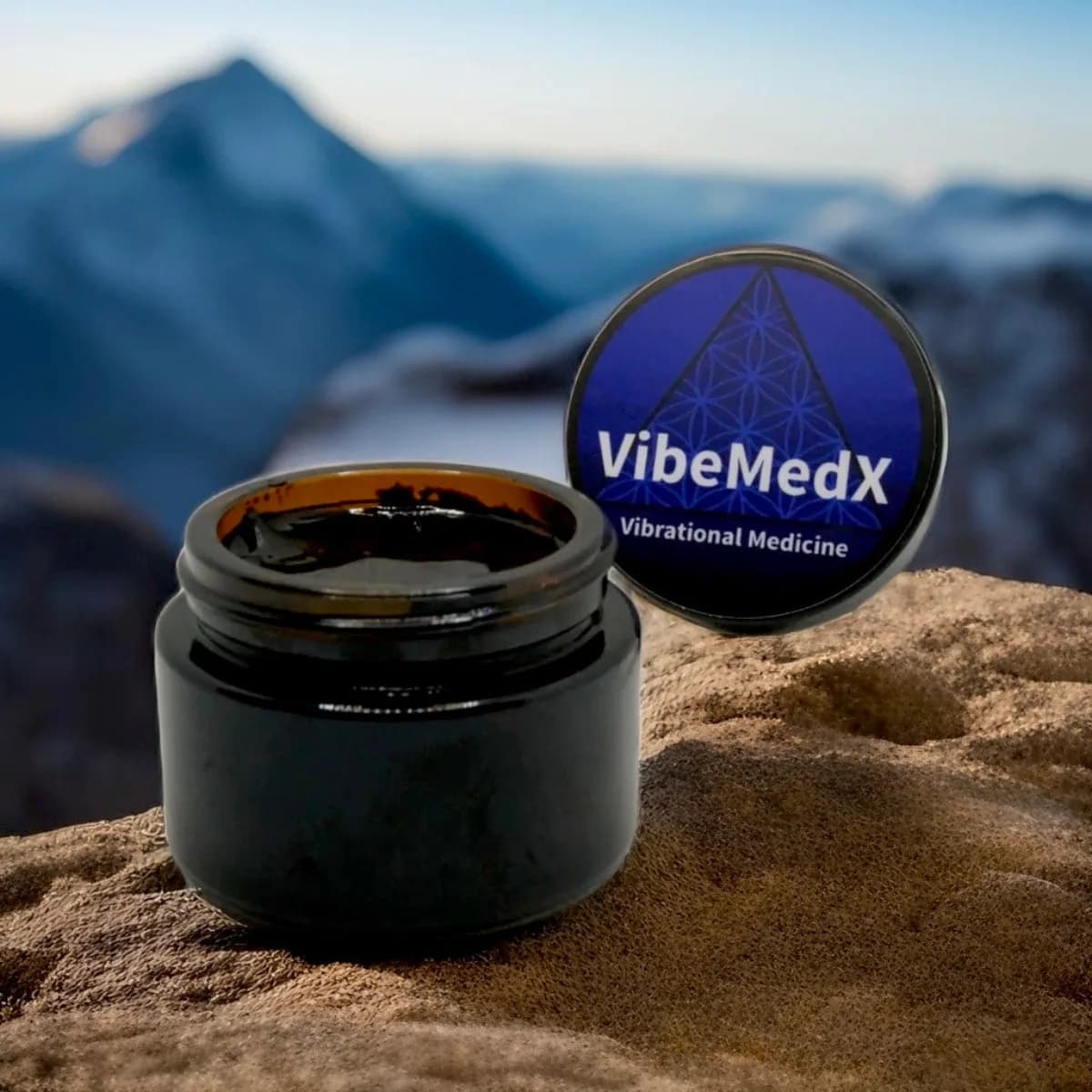
Open VibeMedX jar showing finished shilajit resin
Finished VibeMedX shilajit resin after purification and bottling.

The report should tell you what the jar cannot.

THE SHORT ANSWER

Check five things, in this order.

The batch and the date. Heavy metals with numbers and limits. Microbes. How fulvic acid was measured. Who did the testing. A report that answers all five is doing its job. A report that answers none of them is decoration.

FIVE CHECKS

What to look for, and what ours says.

Each check has what to look for and the matching line from the VibeMedX resin report.

01 / LOT AND DATE

Does it name the batch and when it was tested?

A report without a lot number could describe any jar. Look for the batch number, the test date and ideally the manufacture and expiry dates. If the brand prints a lot on its packaging, the two should match.

Our report: Lot 10.00100, tested October 1, 2026. Made September 1, 2026, expires September 1, 2031.

02 / HEAVY METALS

Are lead, cadmium, arsenic and mercury listed with numbers?

Each metal should have a result, a unit and the limit it was judged against. “Passed” or “within limits” with no number tells you very little. Results below what the lab can measure are often written as “less than” a figure, which is normal.

Our report: Lead 0.37 (limit 6), cadmium 0.077 (limit 1), arsenic 0.22 (limit 12), mercury 0.011 (limit 1), all in mg/kg.

03 / MICROBES

Were pathogens, yeast and mold tested?

Salmonella and similar pathogens should read “not detected,” ideally with the sample size tested. Yeast, mold and total bacteria are counted in CFU per gram (colony-forming units) and compared with a ceiling.

Our report: Pathogens, including salmonella, not detected in 10 g. Yeast and mold under 10 CFU/g, total aerobic count under 100 CFU/g.

04 / FULVIC ACID AND ITS METHOD

Does the fulvic percentage say how it was measured?

Fulvic acid results swing widely from one test method to another, so a percentage with no method behind it tells you little, and two brands' numbers only compare when the method matches. Source: Lamar et al., Journal of AOAC International, 2014.

Our report: Fulvic acid 78.5% and humic acid 8.3%, by method R 4.1.1672-03 P3.

05 / WHO TESTED IT

Can you tell which lab did the work?

Look for a laboratory name or an accreditation number. Either gives you something to look up. A report with neither leaves you taking the brand’s word for it.

Our report: An accredited laboratory, accreditation РОСС RU.0001.21ПШ40.

UNITS, MADE SIMPLE

Turn mg/kg into what you actually take.

Metals are usually reported in mg/kg, which is the same as parts per million and the same as micrograms per gram. To see what is in your own amount, multiply the result by the grams you take.

For example, at 0.37 mg/kg of lead, half a gram of resin carries about 0.185 micrograms. Weigh your own daily amount and do the same math.

The useful question is not “Did it pass?” It is “How much, against what limit, in which batch?”

WALK-AWAY SIGNS

Reasons to ask more questions.

None of these proves a product is bad. Each one means the report is not yet doing its job.

  • “Passed” or “meets standards” with no numbers.
  • No lot number, or a lot that does not match anything on the packaging.
  • One sample report shown as proof for every product the brand sells.
  • A fulvic acid percentage with no test method.
  • No laboratory name and no accreditation number.
  • A report so old the batch it describes has long sold out.
SEE THE WHOLE REPORT

Run the five checks on ours.

The key results from our current resin batch are on the lab page, with limits wherever the report gives them, and the full report is there as a PDF. If a line on it raises a question, ask us.

The batch report covers the current resin lot. Ask about any other lot.