
What does the region actually tell you?
A named region is a starting point, not proof of quality. Ask which area the supplier means, how that region connects to the raw material, and which parts are known rather than assumed.
A country name can tell you where a material is said to come from. It cannot tell you who handled it, how it was made, or how the finished product is cared for.
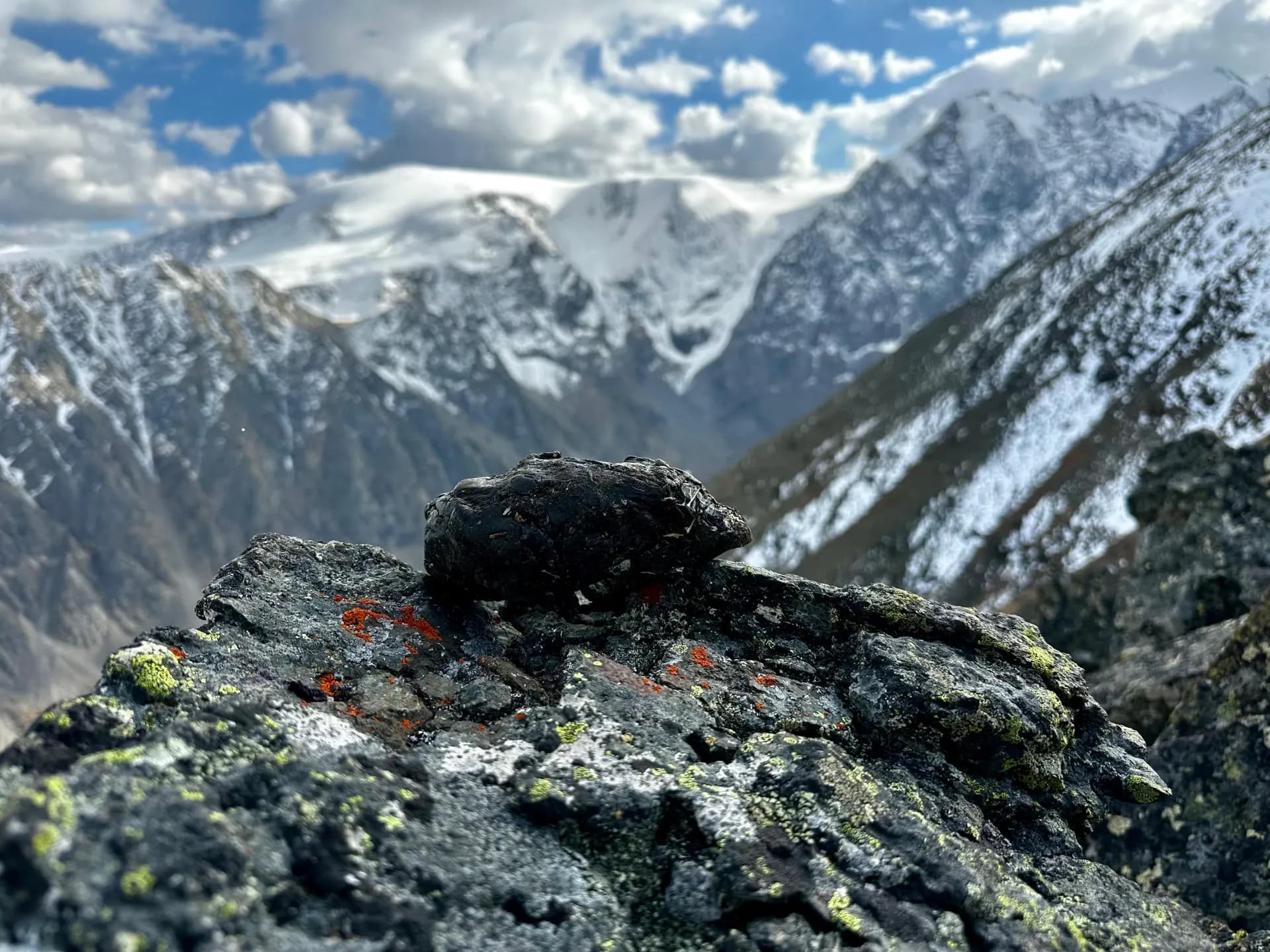
A source region is a beginning. The people, material, method, and care complete the picture.
Ron Morrett spent years tasting and comparing Shilajit from different regions. The more he learned, the less useful a country name became on its own. Country names alone are not proof. Excellent material can come from more than one place, and a place name cannot explain who handled the raw material or what happened after it was collected.
His quality philosophy is plain: “The people matter. The raw material matters. The method matters. The care matters.” Use that as a way to ask better questions, not as a promise that a label can answer everything.
Good sourcing answers stay connected to a person, a material, a method, and a lot you can identify.
A named region is a starting point, not proof of quality. Ask which area the supplier means, how that region connects to the raw material, and which parts are known rather than assumed.
Ask who the supplier works with and how those relationships are maintained. You do not need private details. You do need a clear answer about the people responsible for sourcing and the path from them to you.
Ask how the lot is identified, how the raw material is handled, and what the supplier can say about preparation and finishing. A direct answer makes the chain easier to understand and easier to question.
Ask what documentation and measured results are available for the lot you are considering. Then ask how questions are handled when an answer is not available. Accountability includes saying what is known, what is not, and where to look next.
“Altai,” “Himalayan,” or another country or region name can describe an origin claim. It does not, by itself, verify the identity of a lot, the people behind it, the method used, or the care after production.
Documentation and measured results can support part of that quality chain. They should remain tied to the lot and described for what they show. A report is not a substitute for knowing the source.
The right question is not “Which country wins?” It is “What can this supplier explain, show, and stand behind?”
These are prompts to pause and ask for context, not reasons to make assumptions about a supplier.
VibeMedX chose this lineage, this source, these people, and this process because of the relationship behind the finished resin.
The batch report covers the current resin lot. Ask about any other lot.