Shilajit buyer guide
HimalayanvsAltai shilajit
The short answer
Go Altai, from a source you can trace.
Both are real shilajit. But in the only lab test that compared them side by side, the Altai sample came out ahead on two of the three plant compounds measured.1 And Ron tried shilajit from India, Nepal, Pakistan, the Himalayas and Russia before choosing Altai.
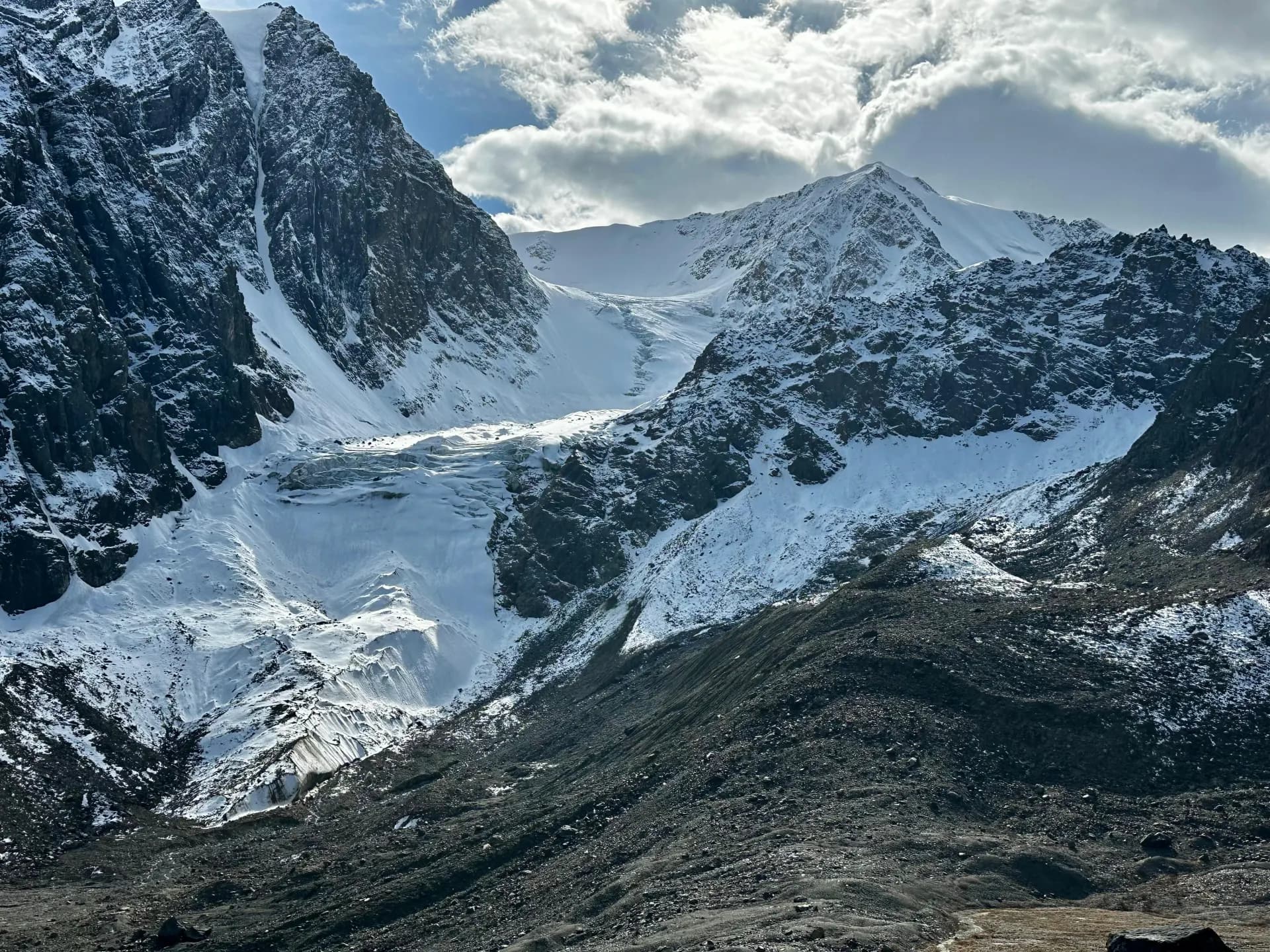
Aktru glacier, Altai Mountains
Why VibeMedX is Altai
Ron compared them first
He tried shilajit from six regions before choosing a source. In his words: “I learned that the word Altai does not automatically make Shilajit superior.” The people and the process did.
We know who collects it
Our standard line comes from a small circle of Altai families who have harvested shilajit for generations. They send photos and video of the land, the raw material and the process.
Purified, with lab paperwork
The resin is purified before it's jarred. Our current resin batch report is published with every key result, and documentation for other lots is available on request. See the batch report.
How to check any jar
- The lot number on the lab report matches your jar. A report for another batch can't tell you what's in yours. See our current batch report.
- Lead was tested, and it's low. California's line is 0.5 micrograms a day.5 Our current batch measured 0.37 mg/kg, against the 6 mg/kg limit printed on its report.
- Fulvic acid names its test method. Results swing widely from one method to another, so a percentage with no method behind it tells you little.6 Ours: 78.5%, by method R 4.1.1672-03 P3.
- Skip the burn test. Real shilajit burns too.4
Questions buyers ask
Is Altai shilajit better than Himalayan?
Both are real shilajit. In the only same-lab test of both, the Altai sample came out ahead on two of the three plant compounds measured (one sample of each), and Ron chose Altai after trying both. The bigger factor is the source, so buy from a seller who can tell you who collected it.
Is Siberian or Russian shilajit the same as Altai shilajit?
Usually. The Russian part of the Altai sits in southern Siberia, and mumijo is the Russian word for shilajit. We found no legal protection for either name, so ask the seller which region it came from.
Which has more fulvic acid?
No published study ranks them by origin, and the number depends heavily on the lab method, so only compare percentages that name their method. Our current Altai batch measured 78.5 percent fulvic acid by method R 4.1.1672-03 P3.
Does the burn test prove shilajit is real?
No. Real shilajit burns in lab tests too. A lab report tied to your jar is the check that holds up.
Sources
- Kamgar et al., Molecules, 2026: Altai, Nepal and Iran samples tested in the same lab
- Health Canada, Natural Health Products Ingredients Database: Shilajit
- Retail listings for shilajit resin, 10 checked October 4, 2026 (9 US sellers, 1 EU)
- Rahim et al., Journal of Physical Science, 2016: two Pakistani valleys compared
- California OEHHA, Proposition 65 safe harbor levels
- Lamar et al., Journal of AOAC International, 2014: why fulvic acid results depend on the test method
Checked October 2026. This guide compares sources; it is not medical advice.